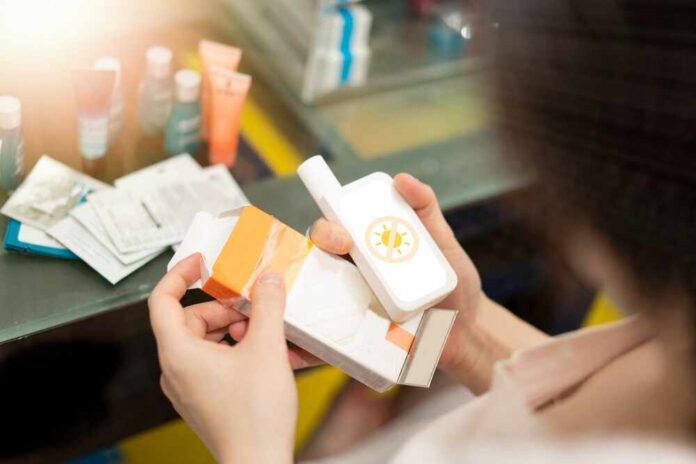
FDA finally proposes approving bemotrizinol, the first new sunscreen ingredient in over 25 years.
Story Highlights
- FDA’s December 2025 proposed order deems bemotrizinol GRASE for OTC sunscreens up to 6% concentration, safe for ages 6 months and older.
- Ends 25-year drought since avobenzone approval in 2000, thanks to reforms from 2014 Sunscreen Innovation Act and 2020 CARES Act.
- Bemotrizinol offers superior broad-spectrum UVA/UVB protection already standard in Europe and Asia, addressing rising U.S. skin cancer rates.
- Public comments open until January 26, 2026; final order expected summer/fall 2026, products by late 2026.
Breaking Through FDA Regulatory Gridlock
FDA issued its proposed administrative order in December 2025, recognizing bemotrizinol (BEMT) as generally recognized as safe and effective (GRASE). This chemical filter works at concentrations up to 6% in over-the-counter sunscreens for broad-spectrum UVA and UVB protection. The ingredient shows low skin absorption and minimal irritation potential. Unlike mineral options like zinc oxide, BEMT provides advanced photostability long available overseas. This step follows data reviews completed in December 2024 via the streamlined OMOR process.
Watch:
Decades of Delays from Outdated Rules
U.S. sunscreen innovation stalled since avobenzone gained approval around 2000, leaving only 16 active ingredients mostly unchanged from the 1990s. Sunscreens count as OTC drugs under the monograph system, demanding rigorous GRASE status without full new drug applications. Slow notice-and-comment rulemaking blocked progress. The 2014 Sunscreen Innovation Act introduced administrative orders and TEAs to speed reviews. Yet implementation lagged due to demands like animal testing and Maximum Usage Trials, hurting consumers amid climbing skin cancer cases.
Congressional Reforms Pave the Way
Congress passed the 2020 CARES Act, establishing the OTC Monograph Order Request (OMOR) pathway and deeming the 1999 sunscreen monograph final. This mandated a proposed revision by September 2021. FDA deferred several ingredients pending data, but bemotrizinol’s sponsor succeeded through OMOR. Recent Consolidated Appropriations Act mandates further non-animal testing guidance. These changes align U.S. standards with international norms, reducing burdens while upholding safety. Acting Director Dr. Karen Murry credits CARES for streamlining the process.
Public comments on the proposal run until January 26, 2026. FDA spokesman Ben Nichols anticipates a final order by summer or fall 2026, with products hitting shelves late that year or later per CARES timelines.
Meet My Healthy Doc – instant answers, anytime, anywhere.
Benefits for Families and Market Innovation
Approval expands formulation choices for manufacturers, enabling better UVA shields critical against skin cancer. Pediatric use starts at 6 months, broadening family access. Long-term, it modernizes the market, matching global leaders like Europe and Asia. This validates OMOR for backlog ingredients, boosting U.S. competitiveness without compromising standards. The American Academy of Dermatology supports it, planning comments to ensure strong protection. Industry sees it as a milestone after years of FDA hurdles now eased.
I Tried the New Sunscreen Ingredient the FDA Is Finally Approving After Over 20 Years https://t.co/G79F4ehpiE
— view3dtv (@view3dtv) December 13, 2025
Consumers stand to gain from superior, less greasy sunscreens with proven low penetration. Economic upsides include faster market entry and industry growth. Reforms emphasize nonclinical tests, aligning with conservative priorities for efficient, limited government that prioritizes American health over endless bureaucracy.
Discover your personalized skin protection plan.
Sources:
Questions and Answers: FDA Posts Deemed Final Order and Proposed Order for Over-the-Counter Sunscreen
Navigating FDA Regulatory Path for Sunscreen
FDA Proposes First New Sunscreen Active Ingredient in 25 Years
FDA Proposes Approval of First New Sunscreen Active in 25 Years
FDA Takes Steps to Modernize Sunscreen Options
Regulatory Policy Information: Sunscreen Innovation Act
Sunscreen: How to Help Protect Your Skin from the Sun
FDA Proposes First New Sunscreen Active Ingredient Approval in 25 Years with Bemotrizinol