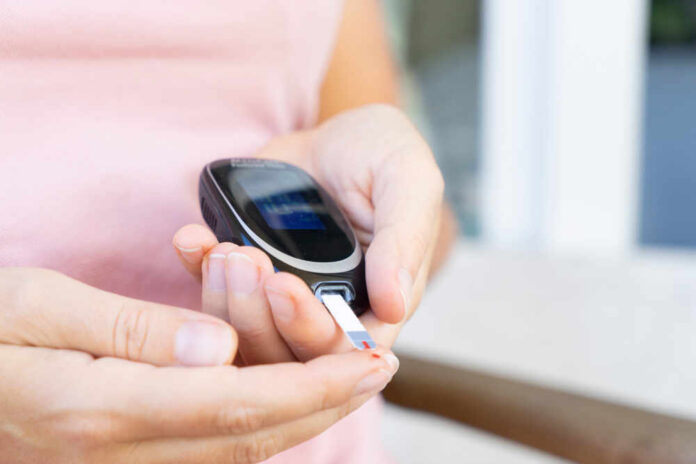
The single most effective blood sugar upgrade for your workday requires nothing more than standing up from your desk and moving for a few minutes after eating—a habit that can slash post-meal glucose spikes by up to 30 percent without medications or supplements.
Story Snapshot
- Movement every 2-4 hours after meals dramatically reduces glucose spikes and afternoon energy crashes for desk workers
- Pairing protein and fiber in workday snacks stabilizes blood sugar better than relying on willpower or restrictive eating
- Recent research reveals that simply sitting near windows with daylight exposure improves metabolic flexibility in type 2 diabetes patients
- Continuous glucose monitors have transformed workday management by providing real-time feedback on how desk habits affect blood sugar
- Small strategic upgrades cost nothing but prevent the $400 billion annual healthcare burden of diabetes-related complications
The Desk Job Dilemma Nobody Talks About
Your office chair is quietly sabotaging your metabolism. Sedentary work—the reality for 2.5 billion workers globally—creates a perfect storm for blood sugar chaos. Long hours at desks, vending machine temptations, irregular meal timing, and stress-induced cortisol surges conspire to send glucose levels on a rollercoaster ride. The post-pandemic shift to hybrid work intensified the problem, with extended screen time replacing even the minimal movement of commuting. What starts as afternoon brain fog and energy dips becomes insulin resistance over years, paving the road to type 2 diabetes.
The Movement Solution Hiding in Plain Sight
Walking meetings, standing desk intervals, or even chair exercises for five minutes after lunch deliver an outsized metabolic payoff. Movement activates muscles that pull glucose from the bloodstream without requiring insulin, effectively lowering post-meal spikes that would otherwise trigger crashes two hours later. Experts across wellness organizations and diabetes groups converge on this advice: schedule movement every 2-4 hours. Set phone alarms if necessary. The beauty lies in the simplicity—no gym membership, no equipment, just strategic interruptions to sitting. Studies confirm that brief activity windows outperform marathon exercise sessions for glucose control in desk workers.
Snacking Strategy That Actually Works
The second easiest upgrade involves what you keep in your desk drawer. Nuts, protein bars with minimal added sugar, Greek yogurt, or apple slices with almond butter stabilize blood sugar far better than crackers or candy. The formula is straightforward: pair protein or healthy fats with fiber to slow glucose absorption. Wellness experts advocate eating every 2-3 hours, rejecting the outdated notion that snacking sabotages health. Prepping overnight oats or packing veggie sticks on Sunday eliminates the weekday scramble that leads to poor choices. Continuous glucose monitors popularized since 2020 reveal the real-time impact of snack choices, turning abstract advice into visible data that motivates better habits.
The Daylight Discovery
Recent findings published in Cell Metabolism uncovered an unexpected upgrade: workday exposure to natural light through windows improves glucose stability in type 2 diabetes patients. The mechanism traces to circadian biology—daylight cues synchronize metabolic processes, enhancing the body’s ability to manage blood sugar efficiently. This low-effort intervention requires only relocating your workspace closer to windows or taking outdoor breaks. While the initial study involved a small sample, the convergence with existing circadian research lends credibility. For workers trapped in interior cubicles, even brief outdoor walks at lunch capture some benefit. The recommendation aligns with movement advice, creating a synergistic approach.
The Technology Factor
Continuous glucose monitors evolved from medical devices for diabetics into workplace wellness tools. Companies like Ultrahuman and Levels market CGMs to healthy workers seeking metabolic optimization, expanding a market now exceeding $10 billion. These wearables eliminate guesswork, showing exactly how that bagel or skipped lunch affects glucose in real time. The feedback loop empowers workers to adjust habits immediately rather than relying on annual bloodwork. Critics note the expense and question necessity for non-diabetics, but advocates argue the prevention value justifies the cost given diabetes healthcare expenses approaching $400 billion annually in the United States alone.
Why Corporate America Should Care
Employers gain direct benefits from workers who maintain stable blood sugar: fewer sick days, sharper afternoon productivity, and reduced long-term healthcare claims. Progressive companies now provide standing desks, encourage walking meetings, and stock break rooms with protein-rich snacks instead of donuts. The Americans with Disabilities Act since 1990 required diabetes accommodations like scheduled snack breaks, but proactive wellness programs extend benefits to all employees before diagnosis. The shift from treatment to prevention reflects good economics—investing in desk upgrades and healthy snacks costs far less than managing chronic disease complications down the line.
Putting It All Together
The easiest blood sugar upgrade combines movement, strategic snacking, and environmental tweaks into a sustainable workday routine. Start with one habit: set a timer to stand and walk for five minutes after lunch. Add a second layer by swapping afternoon candy for mixed nuts and an apple. Request a desk near windows or commit to outdoor breaks. The consensus across diabetes organizations, wellness firms, and academic researchers points to these low-effort, high-impact changes. No extreme diets, no expensive supplements, no gym time required—just deliberate interruptions to sitting and mindful food choices that align with how your body processes glucose.
Sources:
7 Tips To Keep Your Glucose Levels In Check During A Workday
Employee Wellness Better Blood Sugar Balance
Managing Diabetes In The Workplace Tips For A Healthier Work Life
Could More Daylight During Workday Help Stabilize Blood Sugar
Manage Diabetes Even Youre Working Full Time
The Best Workday Snacks For Metabolic Health