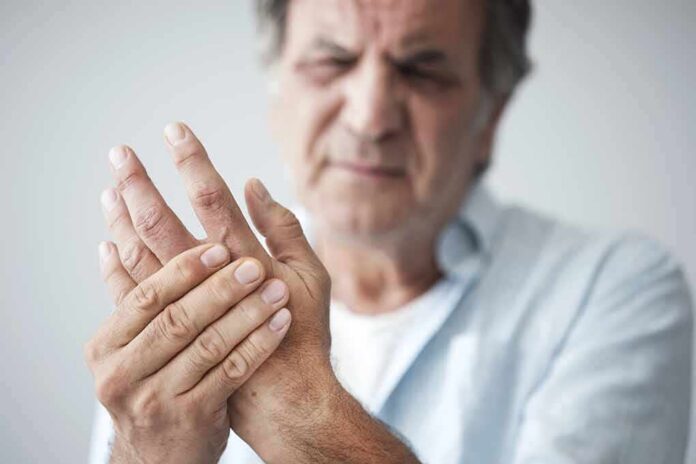
Doctors and researchers now agree that moving a sore joint, not resting it, is one of the best ways to fight osteoarthritis pain.
Story Snapshot
- Major health guidelines list exercise as a first-line treatment for osteoarthritis, alongside weight loss.
- Reviews of clinical trials show exercise cuts pain and improves movement in knee and hip osteoarthritis.
- Experts recommend about 150 minutes of moderate activity per week, plus strength and balance training.
- Doctors say patients should start slow and check with a health provider before beginning a new routine.
Exercise Now Ranks as Standard Medical Care
Osteoarthritis affects millions of Americans, causing joint pain, swelling, and stiffness that can make daily life hard. For years, many people believed rest was the safest choice. Clinical guidelines now say the opposite. Rheumatology research describes exercise therapy and patient education as “core first line treatments universally recommended in treatment guidelines” for osteoarthritis, ranking alongside weight loss as the standard starting point for care.
This shift did not come from one study. It came from years of trial data reviewed by groups like the European Alliance of Associations for Rheumatology and the Centers for Disease Control and Prevention (CDC). A review of that trial evidence found that exercise “appears to reduce pain and improve function for persons with knee osteoarthritis and provide pain relief for persons with hip osteoarthritis”. That consistency across many studies is why exercise now sits at the top of treatment lists instead of near the bottom.
What the Research Actually Shows
The benefit is not just about feeling looser after a walk. Exercise appears to ease joint swelling, help people keep a healthy weight, and take pressure off damaged joints. Scoping reviews of physical activity studies call these gains “well established” for both pain and physical function, not just short-term comfort. Researchers note the effect holds up across different age groups and activity types, from swimming to strength training.
The Centers for Disease Control and Prevention (CDC) puts it simply: physical activity helps people with arthritis reduce joint pain and improve both function and mood. That mood benefit matters, since chronic pain often brings frustration, sleep loss, and depression. Guidelines from the European Alliance of Associations for Rheumatology go further, calling regular activity “not aspirational language but a clinical mandate” for people living with osteoarthritis.
How Much Exercise Doctors Recommend
Most guidelines converge on a similar target. Adults with osteoarthritis should aim for roughly 150 minutes of moderate-intensity activity each week, or about 75 minutes of vigorous activity, split across several days. Strength training should happen two to three times a week on non-consecutive days, and stretching is encouraged daily to maintain flexibility. Walking, biking, swimming, and water aerobics are commonly listed as joint-friendly starting options.
Balance training also matters, especially for older adults. People with arthritis, particularly those over 65, face a higher risk of falling, so guidance from the Mayo Clinic includes balance work alongside aerobic and strength exercise. Supervised programs appear to help the most. One review found that more than 12 supervised sessions reduced symptoms further than fewer sessions, and three or more weekly sessions worked better than one or two.
Starting Safely Without Making Pain Worse
Doctors stress that starting too fast can backfire. Guidance for new walkers with osteoarthritis recommends checking with a health provider first, then starting with something as short as a 10-minute stroll before building up. This “start low, go slow” approach shows up across nearly every major guideline, from hospital rehabilitation programs to patient advocacy groups, because pushing too hard too soon can flare joint pain instead of easing it.
For a health system that often frustrates patients with high costs and confusing advice, this is one area where the message from doctors, researchers, and government health agencies lines up cleanly. Exercise costs little or nothing, does not require a prescription, and carries strong evidence behind it. For millions of Americans managing joint pain, that combination stands out as one of the more dependable, low-cost tools available.
Sources:
webmd.com, clinexprheumatol.org