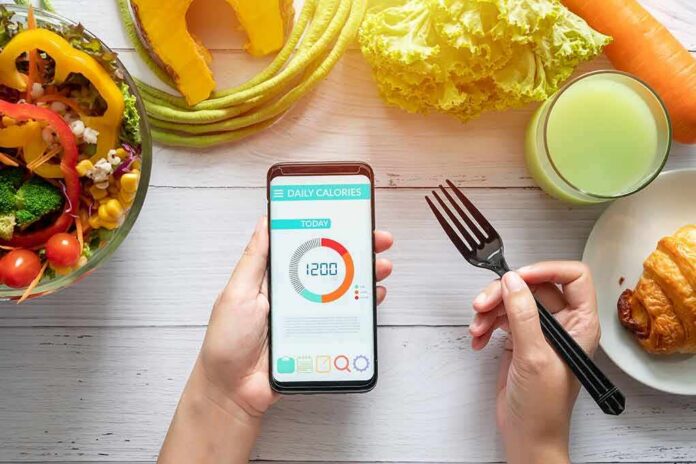
A new pilot study out of Johns Hopkins found that teenagers with prediabetes will actually open and use a health app between doctor visits, and most of them liked doing it.
Quick Take
- Johns Hopkins University School of Medicine researchers tested Prosper, a mobile app made by Uneo Health, with teens diagnosed with prediabetes.
- The pilot measured whether teens would use the app and enjoy it, not whether it lowers blood sugar for good.
- Between 96% and 100% of participants said the app was easy to use, and 74% to 87% said they were satisfied.
- The results match a bigger pattern in digital health: apps often win on engagement, but hard proof of lasting medical benefit usually takes longer to show up.
A Pilot Study Puts a Prediabetes App in Teenagers Hands
Researchers at Johns Hopkins University School of Medicine studied how adolescents with prediabetes used Prosper, a mobile health platform built by Uneo Health. The peer-reviewed pilot looked at whether teens would actually engage with a lifestyle app on their own time, between regular checkups with their doctor. That gap between appointments is often where healthy habits either take hold or fall apart entirely for young patients.
Prediabetes in kids and teens is not a small problem. Blood sugar levels that sit above normal but below full diabetes can quietly set the stage for type 2 diabetes years down the road. Doctors have limited time to guide daily habits like food choices, screen time, and exercise, which is exactly the gap tools like Prosper are designed to fill for younger patients.
Why Doctors Are Watching Teen Habits So Closely
Type 2 diabetes in young people has climbed for years, and prediabetes is the warning sign that shows up first. Unlike adults, teenagers are still building the daily habits that will follow them into adulthood. That makes early lifestyle coaching, whether from a parent, a coach, or now an app, especially important for changing the long-term path of a young patient’s health.
The Prosper pilot fits into a wider effort by Johns Hopkins researchers to test digital coaching tools across different age groups. A separate Johns Hopkins-linked study on adults compared an AI-powered coaching app to a human coach for diabetes prevention and found the two approaches produced similar results, with the app version drawing higher participation rates.
The Numbers Behind the Engagement Claims
The reported usability numbers stand out. Nearly every teen in the study, 96% to 100%, said Prosper was easy to use. A smaller but still strong majority, 74% to 87%, said they were satisfied with the experience overall. Those figures describe how teens felt about using the app, not yet how much their blood sugar or weight changed over time.
That distinction matters. A feasibility and acceptability study answers one question: will young patients actually use this tool and stick with it? Proving that a health app changes blood sugar test results or body weight over months and years is a separate, harder question that typically requires larger trials over longer periods of time.
What Broader Research Says About Digital Health Tools for Prediabetes
Research on youth health apps has followed this same pattern for a decade. A 2015 review of app studies for adolescents managing chronic conditions found only four studies solid enough to include out of nineteen candidates, and most relied on small pilot designs rather than large controlled trials. More recent reviews of digital prediabetes tools have found no significant effect on reversing prediabetes back to normal blood sugar levels.
Adult studies tell a similar story. One review covering middle-aged and older adults with prediabetes concluded mobile health tools were not yet proven effective at changing outcomes, even though many participants engaged with them regularly. Other Johns Hopkins-linked research on the Sweetch coaching app did find real results, including a mean weight loss of 3.5 pounds and increased weekly activity among prediabetic adults.
Taken together, the evidence points to a consistent gap between how much people like using a health app and how much that app changes their actual test results. The Prosper study gives Johns Hopkins researchers a strong foundation of teen engagement to build on. Whether that engagement translates into lower blood sugar and healthier weight for these young patients is the next question their research will need to answer.
Sources:
youtube.com, linkedin.com, clinicaltrials.gov, pure.johnshopkins.edu, apps.apple.com, pmc.ncbi.nlm.nih.gov