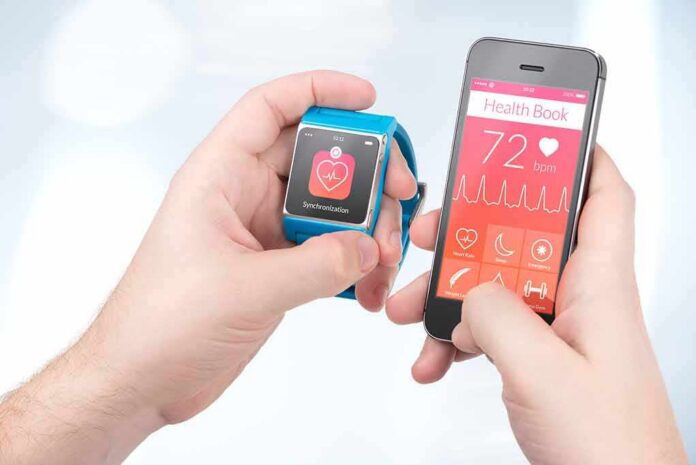
Millions of people wake up each morning and check a number on their wrist before they even get out of bed, trusting it to tell them how well they slept, how stressed they are, and whether their body is ready for the day.
Quick Take
- Wearable devices now track sleep, heart rate, stress, and recovery scores for millions of daily users.
- Doctors warn that constant tracking can cause anxiety instead of better health.
- Studies show accuracy varies a lot: steps and heart rate are solid, sleep and stress are shakier.
- Experts say the devices work best as a support tool, not a replacement for basic health habits.
Why So Many People Are Glued to Their Wrist
Smartwatches and fitness rings have turned health into a daily scoreboard. Sleep scores, readiness numbers, stress levels, and heart rate variability now show up on millions of phones every morning. The appeal makes sense. People want proof their habits are working, and a glowing number feels like instant feedback. But feedback is only useful if it is accurate.
Doctors and technology specialists are raising concerns about how these devices affect the people using them. A BBC report found many healthcare professionals worry the data pushes people toward obsessive self-checking. One doctor bluntly said the trend risks “nurturing a culture of hypochondria and excessive self-monitoring”. That is a strong warning from people who see patients every day, not just tech critics guessing from the sidelines.
What the Research Actually Shows
The science backs up some of that worry, but not all of it. A large review of 24 systematic studies covering more than 430,000 wearable users found that accuracy depends heavily on what is being measured. Steps and heart rate tend to hold up well in testing. Sleep, stress, and calorie burn are far less reliable, especially once someone leaves a lab and goes about normal daily life.
Another review comparing popular brands found similar gaps. Step counts were solid across major devices, but heart rate readings varied by brand, and no brand tested accurately measured energy expenditure. A separate study reached the same conclusion: strong marks for steps, weaker marks for sleep and calorie tracking. In other words, the metric people obsess over most, sleep quality, may be the one least worth trusting blindly.
The Case for Keeping the Tracker On
None of this means wearables are useless. Research shows real upside when the devices are used with realistic expectations. A federal review found wearables can flag medical events early and help clinicians build more personalized care plans. A study on chronic disease management found continuous monitoring can help both patients and providers make faster, better-informed decisions. Used the right way, a wearable becomes a conversation starter with a doctor, not a diagnosis on its own.
A university-based trial even measured a small but real psychological benefit. People who wore fitness trackers reported higher perceived physical health and a greater sense of accomplishment compared to those who did not. Seeing progress, even imperfectly measured, can motivate someone to keep moving. The problem is not the tool. The problem starts when the tool becomes the whole plan.
Where This Leaves the Average User
Health experts increasingly frame wearables as a supplement, not a substitute, for the basics: sleep, movement, nutrition, and stress management. UCLA Health notes trackers can give people a useful personal snapshot and help doctors manage chronic conditions remotely, which is real value. But a snapshot is not the whole picture. Anyone using these numbers to make daily decisions should treat them as a rough guide, not gospel.
That balance matters most for the millions of everyday users who are not managing a diagnosed condition. Checking a stress score obsessively will not lower stress. Getting up, walking, sleeping on a consistent schedule, and talking to a real doctor about real symptoms still does the heavy lifting. The watch can help track the effort. It should not replace it.
For most people, the smartest approach is simple. Use the tracker to spot patterns over weeks, not to panic over one bad night. Trust the trend line more than the daily number. And when something looks genuinely off, take it to a doctor instead of a search engine.
Sources:
mindbodygreen.com, jmir.org, pmc.ncbi.nlm.nih.gov, mdpi.com, news.cuanschutz.edu, news-medical.net