Doctors have long suspected that how you breathe while you sleep says something about your heart, and new research keeps backing that up.
Quick Take
- The American Heart Association links obstructive sleep apnea to high blood pressure, irregular heartbeat, stroke, coronary artery disease, and heart failure.
- Sleep apnea shows up in 40 to 80 percent of patients who already have certain heart conditions.
- Two studies cited by health researchers found people with the most unstable, repetitive breathing patterns were more likely to develop heart disease.
- Doctors specifically recommend sleep apnea screening for patients with hard-to-control high blood pressure and recurring irregular heart rhythms.
- Newer trials suggest treating sleep apnea helps high-risk heart patients most, while low-risk patients may see little benefit.
What The Research Says About Nighttime Breathing
The American Heart Association issued a scientific statement spelling out the connection between obstructive sleep apnea and heart trouble. The group reports that apnea shows up in 40 to 80 percent of patients already dealing with high blood pressure, heart failure, coronary artery disease, high lung pressure, irregular heartbeat, or stroke. That is a striking overlap, and it is the main reason cardiologists now treat snoring and gasping at night as more than an annoyance.
Why A Blocked Airway Stresses The Heart
Obstructive sleep apnea happens when the airway collapses repeatedly during sleep, cutting off airflow for seconds at a time. Each pause drops oxygen levels and jolts the body awake just enough to reopen the airway. Over and over, night after night, this cycle floods the body with stress hormones and forces blood pressure and heart rate to spike and crash, wearing down the cardiovascular system over time.
That pattern matters beyond people formally diagnosed with apnea. Health researchers point to two studies showing that people whose breathing cycled through the most repeated instability were more likely to go on to develop cardiovascular disease. The takeaway is not that every snore is dangerous, but that breathing irregularity is a signal worth paying attention to, not ignoring.
Who Doctors Say Should Get Checked
The American Heart Association does not leave screening to guesswork. It specifically recommends testing for sleep apnea in patients with high blood pressure that resists treatment, patients with high blood pressure in the lungs, and patients whose irregular heartbeat keeps coming back after a cardioversion or ablation procedure. These are groups where an undiagnosed breathing problem could be quietly working against every other treatment a cardiologist prescribes.
Despite that guidance, sleep apnea remains widely underrecognized and undertreated in heart care. The American Heart Association has openly urged more aggressive treatment, warning that untreated apnea can make existing heart problems worse. Many patients, especially women, go undiagnosed for years because their symptoms do not match the classic loud-snoring, daytime-sleepiness picture doctors are trained to spot first.
Does Fixing Sleep Apnea Actually Protect The Heart?
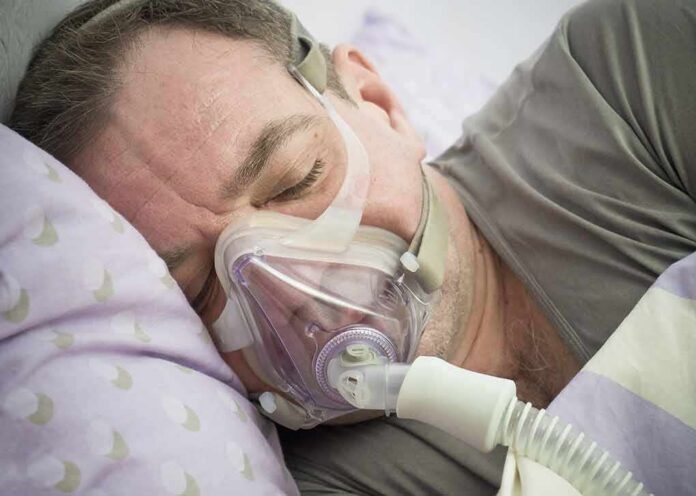
Here is where the science gets more interesting. Earlier large trials testing CPAP machines, the standard sleep apnea treatment, often failed to show they reduced heart attacks or strokes across broad groups of patients. Several major analyses found no significant drop in cardiovascular events with CPAP compared to usual care.
But a 2025 multi-trial analysis published in the European Heart Journal changed that picture. Researchers found CPAP improved cardiovascular outcomes specifically in high-risk sleep apnea patients, while it may actually raise risk in low-risk patients. That distinction matters. It suggests the benefit of treatment depends heavily on how severe and how dangerous a person’s apnea truly is, not just whether they have it.
For readers over 40, the practical lesson is simple. Loud snoring, gasping awake, morning headaches, or a partner noticing pauses in your breathing are not quirks to shrug off. They are worth mentioning to a doctor, especially if you already manage high blood pressure or an irregular heartbeat. A sleep study, not a guess from a fitness tracker, remains the way to know for sure what is happening while you sleep.
Sources:
mindbodygreen.com, pubmed.ncbi.nlm.nih.gov