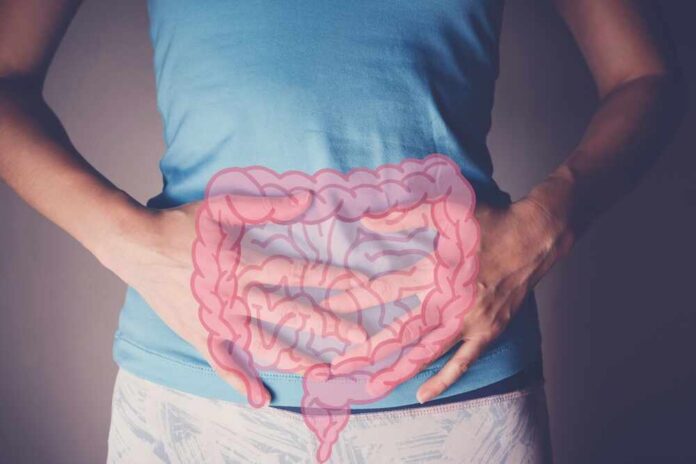
Millions of Americans suffer from chronic bloating, and a gastroenterologist’s breakdown of the real triggers — from fiber to bacteria to antibiotics — offers practical, science-backed answers that cut through the noise of a wellness industry flooded with bad advice.
Story Highlights
- Dr. Kumkum Patel, a Newport Beach gastroenterologist specializing in irritable bowel syndrome and bloating, identifies fiber-rich foods as the most common bloating trigger due to fermentation of undigested plant sugars.
- Bacterial causes including Helicobacter pylori and post-antibiotic gut imbalance are also cited as significant contributors to bloating and digestive distress.
- Simple home remedies like consistent hydration and warm beverages are recommended as first-line responses for constipation-related bloating.
- A peer-reviewed National Institutes of Health review confirms that fermentable foods, dietary changes, probiotics, and exercise align with the remedies discussed in the video.
Why Fiber Can Be the Culprit
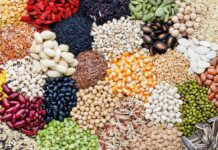
Dr. Patel identifies fibrous foods as the most common bloating trigger, explaining that the human digestive system cannot fully break down certain plant sugars, which then ferment in the gut and produce gas. This fermentation process is the core mechanism behind the uncomfortable fullness and distension that so many Americans experience after eating vegetables, legumes, or whole grains. Understanding this mechanism helps patients make smarter dietary choices rather than simply guessing at the cause of their discomfort.
A peer-reviewed review published through the National Institutes of Health (NIH) confirms the same dietary contributors, noting that fermentable foods including dairy, fructose, fructans, fiber, and sorbitol are all relevant bloating triggers. The review also found that patients with irritable bowel syndrome (IBS) who avoided fermentable oligosaccharides, disaccharides, monosaccharides, and polyols — commonly known as FODMAPs — saw measurable improvement. This scientific consensus lends credibility to the practical dietary guidance Dr. Patel presents in accessible, plain-language format.
Bacteria, Antibiotics, and Gut Disruption
Dr. Patel points to bacterial causes as another significant bloating driver, specifically naming Helicobacter pylori — a stomach bacterium that can be acquired through contaminated food, shared utensils, or person-to-person contact — as a cause of both bloating and gastritis. She also describes how antibiotic use can disrupt the natural gut microbiome, allowing harmful bacteria to overgrow and produce excess gas. These bacterial triggers are often overlooked by patients who assume their bloating is purely diet-related, making this distinction clinically important.
The NIH review supports the broader picture of gut dysbiosis and notes that targeted antibiotic therapy is a recognized treatment option in selected cases of bloating, particularly those involving small intestinal bacterial overgrowth (SIBO). Dr. Patel’s own clinical practice lists SIBO and bloating as core specializations, indicating that her educational commentary reflects real diagnostic and treatment experience rather than generalized wellness advice. Patients dealing with recurring bloating that does not respond to dietary changes may have an underlying bacterial issue requiring medical evaluation.
Home Remedies That Actually Work
For constipation-related bloating, Dr. Patel recommends starting with the simplest intervention available: water. She emphasizes consistent hydration as a first-line home measure, stressing that many Americans simply do not drink enough water to support healthy bowel motility. Constipation is a primary driver of bloating for a large segment of the population, and addressing it with adequate fluid intake is both cost-free and evidence-consistent.
Beyond plain water, Dr. Patel suggests warm beverages — including hot water or herbal tea — as a practical way to stimulate the muscle contractions that move material through the colon. These caffeine-free options provide a gentle mechanical benefit without the drawbacks of stimulant laxatives or over-the-counter remedies. The NIH review similarly lists dietary and lifestyle interventions, including exercise and posture adjustments, as foundational treatment approaches before escalating to medications. For the majority of bloating sufferers, these straightforward measures represent the most sensible starting point before pursuing specialist care or pharmaceutical options.
Sources:
[1] YouTube – Science Behind Bloating: Triggers & Effective Remedies for Stomach …
[2] YouTube – Triggers & Effective Remedies for Stomach Bloating ft. Dr …
[3] Web – Pathophysiology, Evaluation, and Treatment of Bloating – PMC – NIH
[4] Web – Triggers & Effective Remedies for Stomach Bloating ft. Dr. Kumkum …
[5] Web – Dr. Kumkum Patel: Top Gastroenterologist in Newport Beach
[6] Web – Speaking & Media – Dr. Kumkum Patel
[8] Web – Diseases – Dr. Kumkum Patel
[9] Web – Gut Health & Hormones: What Everyone Needs to Know – Alloy
[10] Web – Dr. Kumkum Patel, MD – Gastroenterologist in Fullerton, CA
[11] YouTube – Meet Kumkum Patel, MD – Gastroenterology