A single high-fat meal can make your arteries behave like those of a sick person within hours, but researchers at Indiana University found one thing that reverses that damage almost completely.
Quick Take
- A high-fat meal measurably harms artery function within hours of eating, according to a 2022 review in the American Journal of Clinical Nutrition.
- Indiana University researchers found that 60 minutes of moderate exercise about two hours after a high-fat meal restored artery function to better-than-before-the-meal levels.
- Post-meal exercise also clears fat from the blood and reduces the inflammation that drives artery damage.
- The benefit applies to blood sugar control too, with multiple studies confirming that moving after meals beats moving before meals for cutting dangerous glucose spikes.
What a High-Fat Meal Actually Does to Your Arteries
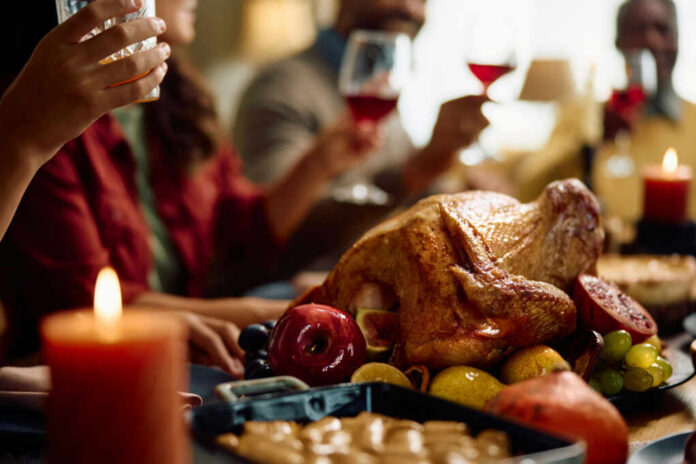
Most people feel fine after a big, fatty meal. Their arteries do not. A 2022 review confirmed that a single high-fat meal measurably harms the inner lining of arteries, a condition called endothelial dysfunction. The lining stiffens, blood flow drops, and the artery starts to behave the way it would in someone with early heart disease. This happens every time you eat a high-fat meal and then sit still. Multiply that by hundreds of meals a year and the damage adds up fast.
The Indiana University Finding That Changes the Equation
Dr. Donna Wallace and her team at Indiana University put this to the test. Participants ate a high-fat meal and then, two hours later, exercised at moderate intensity for 60 minutes. The results were striking. Artery function, measured by blood flow response, sat at 6 percent before the meal. After the meal alone, it dropped. After the meal plus exercise, it climbed to 8.5 percent, above the starting point. Dr. Wallace put it plainly: “When you exercise after that meal, it doesn’t look like a sick artery anymore.”
The mechanism behind this is not mysterious. Fat in the blood after a meal triggers inflammation. That inflammation is what stiffens the artery walls. Exercise clears fat from the bloodstream faster and blunts the inflammatory response. The artery never gets the full hit. Think of it as a drain clearing before the sink overflows. The fat gets metabolized by working muscles before it can do its worst damage to the vessel walls.
Post-Meal Movement Beats Pre-Meal Movement for Blood Sugar Too
The artery benefit is just one part of the story. A systematic review of 15 studies found that exercise done after eating cut blood sugar spikes far more effectively than the same exercise done before eating. The difference is significant. Muscles that are already working when glucose hits the bloodstream pull that sugar in directly, without needing extra insulin. Pre-meal exercise simply does not trigger the same response. Timing, it turns out, is almost as important as the exercise itself.
You do not need an hour at the gym to get results. Research shows that even 10 to 20 minutes of light walking after a meal improves blood sugar control. A 2016 study found that 10 minutes of walking after each meal worked better than one 30-minute walk for controlling blood sugar in people with type 2 diabetes. The sweet spot for exercise timing appears to be within the first two hours after eating, with the closer to the meal the better for blood sugar, and around two hours out for the artery benefit Dr. Wallace measured.
One Caveat Worth Knowing About
A 2025 study published in Nature reported that intense exercise worsened heart damage in mice fed a high-fat, high-calorie diet. That finding sounds alarming, but it comes from mice, not humans, and it involved a specific type of high-intensity interval training, not the moderate-intensity exercise Dr. Wallace’s team studied. Animal results do not always translate to humans, and no human trial has replicated this concern. It is a signal worth watching, but it is not a reason to stay on the couch after dinner.
What This Means for How You Eat and Move
The standard medical advice is still to avoid high-fat meals. That advice is not wrong. But the Indiana University research adds a practical layer that most guidelines ignore: if you do eat a fatty meal, moving afterward is not just good general advice, it is a targeted countermeasure with measurable results. A walk, a bike ride, or even a brisk 20-minute movement session two hours after eating can pull your arteries back from the damage zone. That is not a free pass to eat recklessly. It is a tool worth using every single time.
Sources:
nutritionfacts.org, natap.org, sciencedaily.com, sciencedirect.com, nature.com, procreditsce.com