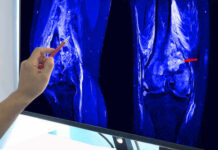
The most dangerous thing about a hospital stay for an older adult may not be the surgery or the illness, but a silent brain storm that doctors could often prevent and families rarely see coming.
Story Snapshot
- About one in three older hospital patients develop delirium, a sudden change in thinking and awareness.
- Around one third to two fifths of delirium cases are preventable with simple, organized care steps.
- Quiet, “sleepy” delirium is often missed, yet linked to worse outcomes and longer stays.
- Non-drug strategies like movement, sleep, glasses, hearing aids, and family help beat pills and restraints.
Delirium turns a hospital stay into a brain emergency
Delirium is not “just confusion” or normal aging. It is a sudden change in how the brain works, often over hours or days, that affects attention, awareness, and thinking in a big way. Older adults in the hospital are hit hardest. Large reviews and national guidance show that about one in three hospitalized older adults develop delirium at some point during their stay. Doctors now describe it as a type of acute brain failure, because outcomes can be serious.
The picture on the surface can be tricky. Some patients become restless, pull at tubes, or try to climb out of bed. Others grow very quiet, sleepy, and withdrawn. That second kind is called hypoactive delirium and is easy for staff to miss, or to blame on dementia or simple fatigue. Families may be told their loved one is “just tired” when in fact the brain is in trouble and needs urgent attention.
The core symptoms follow a clear and recognizable pattern
Despite the chaos it causes, delirium has a fairly consistent footprint. People show a sudden confused state of mind, with trouble focusing, drifting between sleep and wakefulness, not knowing where they are, or flipping between alert and drowsy in the same day. Thinking may feel foggy or jumbled. They may be unable to follow simple instructions or hold a normal conversation for more than a few minutes. The key is that the change is acute and fluctuates, rather than slowly building over months like dementia.
Doctors have tools to detect this pattern when they choose to use them. One widely used method, called the Confusion Assessment Method, looks for four main features: a sudden onset and fluctuating course, trouble paying attention, disorganized thinking, and a change in alertness. When done regularly on older hospital patients, these checks can catch delirium early and push the team to hunt for the triggers quickly. Yet many general hospital units still do not screen every older adult, which lets especially quiet cases slip by.
Delirium is often triggered by fixable problems
The most striking fact, backed by multiple trials and meta-analyses, is that delirium is frequently preventable. Careful studies suggest that about 30 to 40 percent of episodes could be avoided with the right steps. The triggers are usually obvious once you look for them: infections, pain, dehydration, low oxygen, constipation, electrolyte problems, and drug side effects, especially from sleeping pills or strong sedatives. Hospital stressors like noise at night, missing glasses or hearing aids, and physical restraints add fuel to the fire.
For older adults, surgery and anesthesia are huge risk points. One review notes that up to three out of four older patients may experience delirium after major surgery or serious illness. That number should make every family pause before a loved one goes to the operating room. It does not mean surgery is always a bad idea, but it does mean the brain needs a protection plan. Asking the team how they will reduce delirium risk is as important as asking about pain control or infection prevention.
Proven programs show prevention is possible and practical
The Hospital Elder Life Program is the clearest proof that structure beats wishful thinking. In a landmark trial, this multicomponent program cut the rate of delirium and reduced total delirium days in older medical patients. The steps were not exotic. Staff and trained volunteers focused on simple things: regular orientation, non-drug sleep routines, getting patients up and walking, making sure hearing aids and glasses were used, and encouraging fluid intake. When those basics were done every day, delirium dropped.
Later research pulled these ideas together and confirmed the effect on a larger scale. A 2015 meta-analysis of multicomponent non-drug interventions found that these bundles reduced delirium incidence with an odds ratio of about 0.47, meaning the risk was cut by more than 50 percent compared with usual care. Guidance from family medicine and national health bodies now states plainly that optimal treatment for delirium is prevention, using a multidisciplinary non-pharmacologic strategy. The science is not fringe; it is mainstream.
Non-drug care beats antipsychotics and restraints
Older conservative readers may rightly ask, “So what about medications?” Here, evidence forces a hard look at common practice. Trials of antipsychotic drugs for delirium show no clear benefit in preventing episodes, lowering death rates, or speeding recovery. Some guidelines now state that current knowledge does not support pharmacological measures for prevention. Yet many hospitals still reach for these pills first, often as chemical restraints, instead of fixing the underlying problems.
🧠 Delirium affects around 1 in 4 older people in hospital, yet in my experience most families have never heard the word until it happens to their loved one
💁♀️ So I have built a free website for families and carers: DELIRIUM SUPPORT (.com)
It explains, in plain English, what… pic.twitter.com/LOTxnHDxvl
— Alasdair MacLullich (@A_MacLullich) July 13, 2026
Frequent reorientation, early and repeated mobilization, pain control, good nutrition and hydration, and strong respect for sleep and sensory needs are all low-tech and humane. These steps rely on staff attention, family involvement, and a culture that sees an older patient as a person, not a bed number. They also avoid the slippery slope of heavy sedation, which can deepen confusion and mask the real issue.
Families are the hidden front line against hospital brain failure
Hospitals are busy and often understaffed, and administrators do not always reward time-intensive prevention programs. That reality means families carry more of the load than they realize. Practical actions help. Bring glasses, hearing aids, dentures, and familiar items. Stay present, especially in the evening. Walk with your loved one two or three times a day if allowed. Keep a simple log of mental changes and ask, calmly but firmly, “Could this be delirium?” when behavior shifts.
This is about personal responsibility and the duty to protect elders. The data prove that organized, non-drug care cuts delirium, reduces length of stay, and lowers costs. Yet those programs spread slowly, while quick pills and deep sedation remain common. Readers who value limited government and strong families should see delirium prevention as a clear area where informed relatives and local pressure on hospitals can do more than distant regulators ever will.
Sources:
youtube.com, nejm.org, link.springer.com, journalofethics.ama-assn.org, pmc.ncbi.nlm.nih.gov, aafp.org, ncbi.nlm.nih.gov, health.harvard.edu, nice.org.uk, mcforms.mayo.edu, hamiltonhealthsciences.ca