A humble gut-feeding fiber most people ignore may calm screaming knee joints almost as much as a formal exercise program.
Story Snapshot
- A daily prebiotic fiber called inulin significantly reduced knee osteoarthritis pain in a recent clinical trial.
- The effect was large enough to rival a structured exercise program over a few weeks, without touching the knee itself.
- The likely pathway runs through your gut microbiome, inflammation, and immune signaling, not cartilage regrowth.
- Experts still view inulin as an adjunct, not a replacement, for weight loss, exercise, and standard medical care.
Why a gut fiber suddenly matters for a worn-out knee
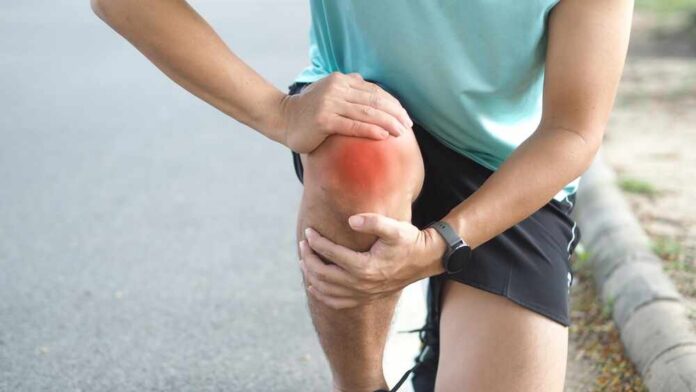
Knee osteoarthritis feels like a “local” problem: bad cartilage, grinding bones, and joints that complain every time you get off the couch. Yet the new inulin trial turns that assumption upside down by showing that changing what happens in your colon can change what you feel in your knee. A daily prebiotic fiber regimen produced meaningful reductions in pain and better function within weeks, in people whose main complaint was chronic knee osteoarthritis discomfort.[3][8]
Researchers did not inject anything into the joint, prescribe narcotics, or schedule surgery; they simply fed the gut. Inulin is a fermentable fiber that your own enzymes cannot digest, but your gut bacteria can. As those microbes ferment inulin, they generate short-chain fatty acids and other metabolites that interact with the immune system and inflammatory pathways. The trial’s punch line: tune the microbes, and the knee hurt less, and daily tasks became easier.[3][8]
How inulin fits into the broader osteoarthritis nutrition picture
The inulin signal does not come out of nowhere. A growing body of research already links diet to knee osteoarthritis symptoms. Large reviews describe how diets rich in omega-3 fats, polyphenols, vitamins C and D, and other anti-inflammatory components can reduce systemic inflammation and sometimes improve pain and joint function.[1][9] These effects are not miracles, but they are real enough that nutrition-focused clinicians routinely fold them into knee osteoarthritis management plans.[2][4][6][7]
Anti-inflammatory eating patterns such as Mediterranean-style diets, with plenty of whole foods, vegetables, olive oil, and fish, repeatedly correlate with lower joint pain and fewer flares.[1][4] Specific components like fish-derived omega-3 fats can decrease inflammatory mediators and alleviate joint pain in some trials, although professional groups are more cautious about high-dose fish oil supplements for osteoarthritis alone.[1][4][5] In that context, inulin looks less like a fad and more like another lever that works through the same inflammation-and-metabolism machinery.
The catch: promising, not magic, and definitely not a stand-alone cure
Does this replace anything that already works, or is it one more add-on in a crowded supplement cabinet? The honest answer leans towards the latter. Major arthritis organizations repeatedly warn that many popular supplements show mixed, modest, or no benefit when studied rigorously, and they emphasize that weight management, physical therapy, and activity remain the backbone of care.[1][4][5] Nutrients can help symptoms; they do not rebuild a destroyed joint.
Vitamin D is a useful cautionary tale. A careful meta-analysis found that supplementation improved pain and function scores in some knee osteoarthritis patients, especially at doses between 800 and 6000 units.[1] Yet the Arthritis Foundation bluntly notes that vitamin D “doesn’t do much, if anything, to relieve osteoarthritis pain” overall, with only one clear study showing benefit in vitamin D–deficient individuals.[5]
A practical way to think about inulin for your knees
For someone over 40 who wants to postpone surgery, stay mobile, and stay off heavy painkillers, inulin fits best as part of a layered strategy, not as a silver bullet. The most robust evidence in osteoarthritis still favors keeping a healthy weight, strengthening the muscles around the knee, staying generally active, and using proven medical treatments when appropriate.[1][4] Nutrition then becomes the amplifier: it turns the inflammatory volume knob down so that other efforts work better and hurt less.[2][6][7]
Prebiotic fiber typically supports regularity, metabolic health, and gut integrity, though some people experience gas or bloating if they ramp up too quickly. There is no serious evidence that inulin alone damages joints or worsens osteoarthritis, and early data suggest it can meaningfully improve pain for some people.[3][8] That combination—low risk, potential symptomatic gain, and alignment with a whole-food, fiber-rich diet—makes inulin worth discussing with a doctor, not worshiping as a cure.
Sources:
[1] Web – This Overlooked Nutrient May Help Ease Knee Osteoarthritis Pain
[2] Web – Diet in Knee Osteoarthritis—Myths and Facts – PMC
[3] Web – Healthy Eating for Knee Osteoarthritis – WebMD
[4] Web – Osteoarthritis knee pain: Foods to eat and avoid – Medical News Today
[5] Web – Nutritional Interventions in Osteoarthritis: Mechanisms, Clinical …
[6] Web – Nutrition & Arthritis: How Diet Impacts Joint Health | Los Angeles
[7] Web – Dietary Approaches To Treating Osteoarthritis Pain
[8] Web – How to Reduce Joint and Arthritis Pain with Lifestyle Medicine
[9] Web – 12 Supplements for Osteoarthritis – Arthritis Foundation