The most important takeaway is simple: Mayo Clinic is treating chronic pain less like a mystery and more like a pattern you can influence at the table.
Quick Take
- Mayo Clinic experts frame chronic pain nutrition around an anti-inflammatory dietary pattern, not a single miracle food [1][2].
- Mediterranean-style eating keeps showing up because it concentrates fruits, vegetables, whole grains, olive oil, fish, nuts, and legumes [1][4].
- The clinical logic runs through inflammation, gut health, and weight management, but the public materials stay cautious about claims [1][3].
- The strongest advice is also the least glamorous: cut back on processed foods, added sugars, and red or processed meats [1][5][6].
Why Mayo Clinic Keeps Returning to Food
Mayo Clinic’s message is not that diet cures chronic pain. It is that food can change the terrain pain lives in. The clinic’s 2025 article says an anti-inflammatory diet can reduce flare-ups, ease joint pain, and support overall health, while also stressing that food alone may not cure chronic conditions [1]. That balance matters. It keeps the advice grounded in medicine instead of drifting into wellness fantasy.
The podcast version of the discussion pushes the same idea from a different angle. On Nutrition asks whether chronic pain can be reduced with food and weight management, which tells you how Mayo Clinic wants listeners to think: not about a single symptom, but about a whole system [3]. Registered dietitian Tara Schmidt describes overall dietary pattern as the foundation, then specific foods and supplements as secondary tools [2].
The Dietary Pattern Behind the Advice
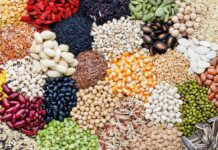
Mayo Clinic’s experts repeatedly point toward Mediterranean-style eating because it is rich in the foods most often linked with lower inflammation: fruits, vegetables, whole grains, olive oil, fish, legumes, beans, nuts, and seeds [1][4]. The point is not novelty. The point is density. These foods bring fiber, healthy fats, and anti-inflammatory compounds together in one pattern, which is why the same model keeps surfacing across Mayo Clinic material [2][4].
The food list that gets the most attention is also the one many people resist because it sounds too ordinary. That is exactly why it works as public-health advice. Fresh produce, whole grains, and simple proteins are not flashy, but they are harder to overeat and easier to sustain than extreme elimination plans. Mayo Clinic’s experts even warn against focusing on a huge list of foods just because the internet says so [2]. That restraint is a clue.
What Actually Drives the Pain Conversation
The clearest mechanism in the research package is inflammation. Mayo Clinic says fiber supports healthy gut bacteria, helps stabilize blood sugar, and reduces inflammation, while olive oil, especially extra-virgin olive oil, contains oleocanthal, a compound with anti-inflammatory properties [1]. Other Mayo Clinic material adds that omega-3-rich fish, nuts, seeds, and whole plant foods can help lower inflammatory markers such as C-reactive protein [1][2]. That is the bridge between nutrition and pain.
Weight management also sits inside the conversation, and that is no accident. Mayo Clinic connects healthy eating to weight loss, and weight loss to reduced inflammation [1][3]. For people whose pain worsens under joint stress, even modest weight reduction can matter more than another supplement bottle on the counter. The clinic’s message is practical: reduce the load, reduce the inflammation, and you may reduce the pain signal [1][4].
What to Eat Less Of, and Why
The enemy list is familiar because it is the same list behind many chronic conditions: highly processed foods, added sugars, trans fats, red and processed meats, fried foods, refined carbohydrates, and excess alcohol [1][5][6]. These foods are not just “unhealthy” in a vague sense. Mayo Clinic says they trigger inflammatory pathways and can worsen chronic pain symptoms over time [1].
What Mayo Clinic does not do is promise a dramatic cure. That caution strengthens the advice. The public materials lean on mechanisms, expert guidance, and broad dietary patterns more than they do on hard effect sizes or miracle outcomes [1][2][4]. For readers who want certainty, that can feel unsatisfying. For readers who want something durable, it is refreshing. Chronic pain rarely rewards extremes; it usually rewards consistency, substitution, and patience.
What This Means for Patients Who Want a Starting Point
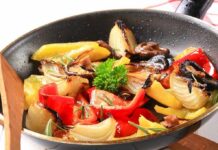
The most useful takeaway is not to chase a perfect anti-inflammatory diet, but to build one meal at a time. Start with a plate that is half colorful vegetables, then add a whole grain and a lean protein. Use olive oil instead of seedless rhetoric. Choose fish, beans, lentils, nuts, berries, and leafy greens more often than packaged snacks and sugar drinks [1][4]. That is not trendy advice. It is the kind that survives contact with real life.
Food choices have consequences. Habits accumulate. Small disciplined changes often beat dramatic promises. The unresolved question is not whether diet matters at all. The question is how much it matters for each person, and that is where the next round of evidence needs to be sharper.
Sources:
[1] Web – Mediterranean diet & inflammation: Foods that soothe chronic pain
[2] YouTube – Mayo Clinic – Chronic Pain and Nutrition: Foods That Help
[3] Web – Mayo Clinic on Nutrition – Apple Podcasts
[4] YouTube – How Diet and Nutrition Impact Pain & Inflammation E47
[5] Web – What Mayo Clinic experts say about integrative medicine
[6] Web – Mayo Clinic Minute: Avoid opioids for chronic pain