The real secret to smoother, better-tasting protein shakes is not in a fancy tub, but in how you mix and treat the protein itself before it ever hits your glass.
Story Snapshot
- A new whey process can make shakes feel smoother in your mouth without wrecking flavor, if done right.[2]
- Researchers traced nasty bitter notes to concentrated minerals, not the protein itself.[2]
- Smart filtration can strip those off-flavors while keeping the silky texture gain.[1]
- At home, simple moves like “liquid first,” cooler temps, and pre-mixing act on the same basic science.[1][2][6]
The real problem with your chalky shake
Most people blame “cheap powder” when a shake tastes chalky, bitter, or like wet cardboard. The deeper story is chemistry. Whey protein comes with tagalong minerals and flavor compounds from milk that survive drying and processing. Careful tasting studies have linked common whey powders with flavors like cardboard, soapy, brothy, even animal or “wet dog” notes in some samples.[4] That is not marketing hype. That is what trained panels, not TikTok, have actually reported in controlled tests.
On top of that, the way factories concentrate protein can make these issues worse. When you push more water out of whey, you not only bump up protein, you also risk concentrating salts and other small molecules that hit your tongue hard. That is why one brand can promise “ultra filtered” purity yet still leave you with harsh aftertaste. The ugly truth: getting more protein into the scoop often drags more flavor baggage along for the ride.
What the new whey research really found
A team from the University of Reading, Aberystwyth University, and Arla Foods Ingredients tried a different concentration method to boost a protein called alpha-lactalbumin in whey. Trained tasters said the new powder made drinks feel smoother, with less friction in the mouth and more positive texture notes than the original control.[2][1] In plain language, it slid down easier. For anyone who has choked down a gritty post-workout shake, that is a meaningful win, not a minor detail.
The catch came fast. The same tasters also found a sharp rise in bitter and peppery notes in the first version of the new product.[2] That matters. A smooth, silky sip that tastes like bitter pepper is not an upgrade for normal people. Analysis pointed the finger at minerals that got concentrated during processing, not at the protein structure itself.[2] That nuance cuts two ways: the process caused the problem, but it also meant the problem could be fixed by changing the way those minerals were handled.
How filtration turned “smoother but worse” into “smoother and equal”
The team then tweaked the filtration step to strip out those problem minerals. Only after that change did the trained panel say the flavor profile matched the original whey control while keeping the new smoother texture.[2][1] This is an important point: the breakthrough is not “magic new whey makes everything better in one shot.” The real story is “texture got better first, taste got worse, then smarter filtration brought taste back up without losing texture.” That is honest progress, but it is conditional, not a miracle.
Independent-style coverage echoed the main claims: a smoother, more appealing texture and, after filtration changes, flavor comparable to the control product.[1] The findings went into a peer-reviewed journal on dairy science, which signals that other experts at least saw the methods and data. Still, the public only sees a press release, not the full statistics. No one outside the project can yet check panel size, effect size, or whether typical shoppers, not trained tasters, actually like it more. That gap calls for healthy skepticism, especially from readers who value hard numbers over glossy headlines.
Why your home shake obeys the same rules
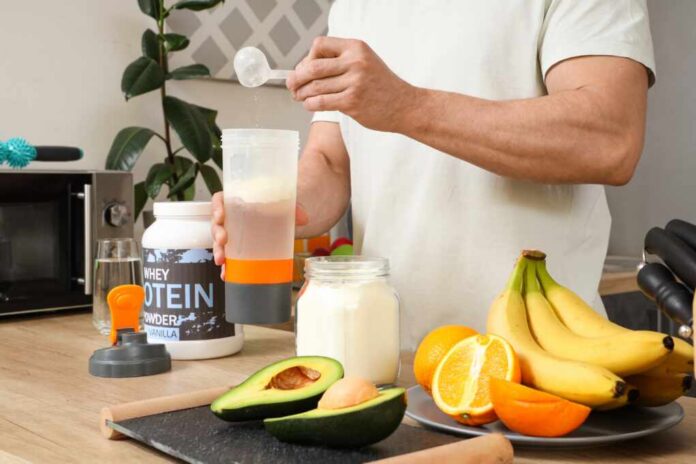
The useful part for your kitchen is this: the same kind of physics and chemistry that saved that lab shake can rescue yours. Concentrated minerals and undissolved particles create harshness and grit. Better mixing and smart liquid choices manage both. Starting with liquid, then adding powder on top, helps wet every granule so it dissolves instead of clumping.[1][2] A rough 8–12 ounces of liquid per scoop usually makes a smoother drink; less turns the shake into paste.[1][2]
Room-temperature or cool liquid helps the powder dissolve first; ice comes after.[1] Some home pros even make a “slurry,” stirring powder into a small splash of liquid until it forms a smooth paste, then slowly adding the rest.[1] That move echoes what the researchers did on a larger scale: control how fast solids meet water so they integrate cleanly instead of seizing. Blenders, shaker balls, and even cheap milk frothers simply add more shear force, which breaks clumps and spreads particles evenly through the drink.[1][2]
Sources:
[1] Web – The secret behind smoother, better-tasting protein shakes
[2] Web – Scientists Discover New Way To Make Protein Shakes Taste Better
[3] Web – Flavor Masking Techniques: Removing the “Chalky” Taste from …
[4] Web – Your post-gym protein shake may get a taste upgrade
[6] Web – Characterization of Dried Whey Protein Concentrate and Isolate Flavor