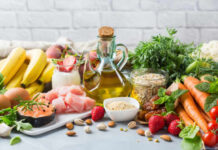
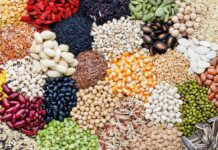
The biggest story here is not that one “magic” food protects the heart; it is that a class of plant compounds keeps showing up in the same health-saving neighborhoods as better cholesterol, steadier blood sugar, and lower inflammation.
Quick Take
- A new observational study linked higher phytosterol intake with lower risk of heart disease and type 2 diabetes.
- The same report found similar signals for beta-sitosterol, a specific phytosterol, which gives the claim more texture than a vague “plant food” headline.
- Controlled trials already support a separate benefit: phytosterols can lower LDL cholesterol, though that does not prove fewer heart attacks or diabetes cases.
- The evidence is promising but not decisive, because the headline study is observational and the strongest hard-outcome proof is still missing.
Why Phytosterols Matter Now
Phytosterols are naturally occurring plant compounds found in nuts, seeds, vegetable oils, grains, legumes, fruits, and vegetables. The current interest comes from a large observational report that found people in the highest intake group had 9 percent lower heart disease risk and 8 percent lower type 2 diabetes risk than people in the lowest group. The researchers said the pattern was strengthened by biomarker, metabolomic, and microbiome data, but the design still cannot prove cause and effect.[1][2]
That distinction matters because nutrition headlines often run ahead of the evidence. A food pattern associated with better health can look like a treatment when it may really be a marker for a generally better diet, higher income, more exercise, or other healthy habits. Mayo Clinic and UCSF both emphasize that heart-healthy eating is broader than any single ingredient: more fruits and vegetables, more fiber, less saturated fat, less sodium, and better overall diet quality.[1][2]
The Cholesterol Connection Is Real, But Limited
The strongest established benefit of phytosterols is LDL cholesterol lowering. The Linus Pauling Institute says numerous clinical trials have shown that phytosterol-enriched foods can significantly lower LDL cholesterol, and that about 2 grams per day can reduce LDL by 8 to 10 percent.[3] The European Atherosclerosis Society also describes consistent evidence for LDL reduction, and the European Commission and other guidance bodies have allowed health claims tied to that effect.[4][5]
That mechanism is biologically plausible. Phytosterols interfere with intestinal cholesterol absorption by displacing cholesterol from micelles and helping push more cholesterol out through the feces.[3] In plain English, they can make it harder for the gut to absorb dietary cholesterol. That is useful, but it is still a surrogate pathway. Lower LDL helps explain why scientists take phytosterols seriously; it does not by itself prove fewer heart attacks or fewer diabetes diagnoses.[3][4][5]
Where the Claim Gets Stronger, and Where It Slips
The new study’s appeal is that it goes beyond a simple diet questionnaire. According to the reporting, total phytosterols and beta-sitosterol were associated with favorable metabolites and markers related to insulin activity and inflammation. The authors suggested that phytosterols might reduce risk by easing insulin resistance and inflammation. That is an intriguing story, but it remains an association story, not an experimentally confirmed mechanism.[1][2]
The weak point is the same one that shadows much of nutrition science: observational studies cannot cleanly separate the ingredient from the lifestyle around it. The supplied review literature notes that no prospective, placebo-controlled randomized trial has yet tested phytosterol supplementation for hard cardiovascular outcomes. It also notes that at least one large cohort found natural-source phytosterol intake was not associated with lower coronary heart disease, myocardial infarction, or total cardiovascular disease.[3][4][5]
What To Eat If You Want the Most Credible Benefit
If someone wants the most practical version of this evidence, the answer is not “buy a sterol product and call it done.” It is to eat more foods that naturally carry phytosterols and fit the broader heart-healthy pattern: nuts, seeds, beans, vegetables, fruits, whole grains, and unsaturated fats. That approach lines up with Mayo Clinic, Johns Hopkins Medicine, the American Heart Association, and UCSF guidance on heart and diabetes prevention.[1][2][4][5]
The cleaner takeaway is this: phytosterols look like one piece of a healthier dietary pattern, and they may contribute to lower cholesterol, better metabolic markers, and possibly lower long-term risk. But the science is still stronger on LDL reduction than on hard clinical outcomes. For a reader trying to make a sane decision, the safest interpretation is to treat phytosterol-rich foods as part of a whole-food, fiber-rich, low-saturated-fat diet rather than as a stand-alone shield against heart disease and diabetes.[3][4][5]
Sources:
[1] Web – Phytosterols in plant-based foods linked to lower risk of heart …
[2] Web – Plant-rich diet may help lower diabetes and heart disease risk
[3] Web – Phytosterols | Linus Pauling Institute | Oregon State University
[4] Web – Phytosterols and Cardiovascular Disease – PMC – NIH
[5] Web – Commentary on Phytosterol-added Foods – EAS