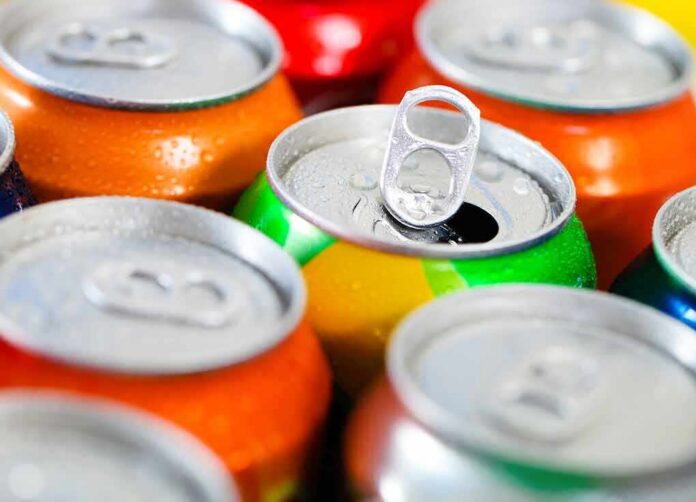
A Utah pediatrician urged families to keep energy drinks away from teens, warning that no safe level has been set for youth use.
Story Snapshot
- A Utah pediatrician said teens should avoid energy drinks because no safe dose is known.
- Federal guidance urges against energy drinks for kids and teens due to caffeine and sugar risks.
- Medical reviews link energy drinks to heart symptoms, sleep loss, and anxiety in young people.
- Labels and caffeine levels vary widely, making it hard for families to judge risk.
Pediatrician’s Warning and Local Teen Use
Justin Alvey, a pediatrician and University of Utah faculty member, said teens should not use energy drinks. He said a safe amount has not been established for adolescents. He reported that about 20 to 30 percent of teens in his practice drink them often. He listed common problems like sleep loss, shakiness, and stomach aches. He also pointed to dental issues tied to sugar. His message was plain: energy drinks have no place for kids.
Federal consumer guidance supports that view. The Food and Drug Administration says medical experts advise against energy drinks for children and teens because of high caffeine and sugar. It warns that too much caffeine in youth can raise heart rate and blood pressure, trigger palpitations, and cause anxiety and sleep problems. That mix can hit teens harder. Bodies still grow in these years. Sleep and heart rhythm are more sensitive to stimulants.
What Research Says About Health Risks
Medical reviews tie energy drinks to several health issues in children, teens, and young adults. Reported problems include heart rhythm changes, spikes in blood pressure, nervousness, and sleep disruption. Risks rise with high doses, fast drinking, or mixing with other stimulants. Some reports link rare but severe events to use, especially in those with hidden heart issues. Doctors say that uneven caffeine levels and added stimulants can make reactions hard to predict for teens.
Studies also flag a pattern in exposure data. Poison center records show thousands of energy drink cases across ages, with intentional use most common in adolescents. That finding tracks with what many parents see at home and what schools report. Teens use these products to fight fatigue, to study late, or for sports. Those habits can stack risks. Sleep loss leads to more caffeine the next day. That cycle can strain mood, focus, and heart rate over time.
Why Labels and Doses Confuse Families
Labels do not always make caffeine clear or easy to compare. Caffeine in energy drinks can vary a lot by brand and size. One review cites ranges from about 40 to 250 milligrams per eight ounces. Many cans are more than one serving, so a single drink can deliver much more than people expect. That spread makes it easy for a teen to overshoot. It also makes it hard for parents and coaches to set safe limits, even when they try.
Public health letters to federal regulators have echoed these gaps. They argue that the evidence does not show high added caffeine in energy drinks is safe as used. They call for clear limits and better consumer information, especially for youth. While the industry markets lifestyle and focus, health experts focus on dose and risk. Until rules and labels match how teens actually consume these drinks, confusion will remain.
Practical Takeaways for Parents, Coaches, and Teens
Families can take simple steps now. Choose water for daily hydration and sports. Use sports drinks only for long, intense workouts, and avoid energy drinks entirely for kids and teens, as pediatricians advise. Check labels for caffeine and serving sizes. Watch for signs like trouble sleeping, a racing heart, or jitters after drinks. Set school and team rules that back sleep, not stimulants. Ask your child’s doctor about safer ways to boost focus and energy.
Sources:
youtube.com, uvpediatrics.com, healthcare.utah.edu, kutv.com, ksl.com, archive.sltrib.com