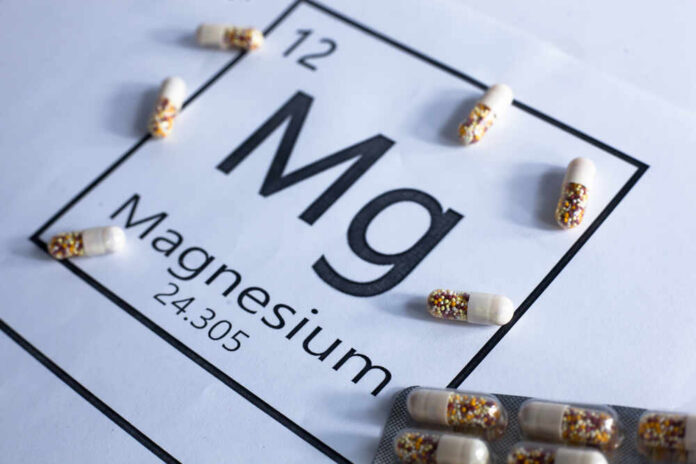
Magnesium promises deeper sleep, but science reveals a frustrating gap between hype and hard proof that leaves millions questioning their nighttime rituals.
Story Snapshot
- Observational studies link higher magnesium intake to better sleep duration and quality in thousands of adults.
- RCTs show mixed results, with gains in elderly subjects but calls for larger, longer trials.
- Experts endorse it for relaxation in deficient people, prioritizing diet over supplements.
- No serious side effects reported, making it a low-risk option amid the sleep crisis.
Magnesium’s Role in Sleep Biochemistry
Magnesium participates in over 300 biochemical reactions, regulating neurotransmitters and muscle relaxation. It inhibits NMDA receptors and modulates melatonin and cortisol levels. Animal studies from the 1980s demonstrated magnesium deficiency lowered plasma melatonin in rats. Human observations connected low serum magnesium to insomnia in older adults. These mechanisms explain why deficiency correlates with poor sleep, setting the stage for supplementation trials.
Key Clinical Trials and Their Findings
A 2012 randomized controlled trial gave elderly insomniacs 500mg magnesium daily for eight weeks. Participants gained 17% more sleep time and 5% higher efficiency versus placebo. The 2022 CARDIA study tracked young adults over time, finding higher dietary magnesium tied to 7-9 hour sleep durations and better quality. A 2022 wearable-monitored RCT reported significant improvements in sleep metrics, mood, and activity with full adherence and zero adverse events.
Systematic Reviews Highlight Inconsistencies
The 2021 systematic review analyzed nine studies with 7,582 participants. Observational data consistently showed magnesium-sleep associations, but RCTs delivered inconsistent outcomes. Reviewers noted small sample sizes and short durations limited conclusions. About 80% of observational research supported links, yet randomized evidence remained uncertain. Larger trials exceeding 100 participants and 12 weeks are needed for clarity.
Stakeholders Weigh Benefits Against Hype
Researchers from University of Chicago’s CARDIA team provided the first long-term human data on dietary magnesium and optimal sleep. Cleveland Clinic dietitian Zumpano recommends magnesium for stress reduction and muscle relaxation, but urges dietary sources first. MD Anderson experts call it effective for relaxation, not a cure-all. Sleep Foundation synthesizes that magnesium influences GABA, NMDA, and melatonin pathways, reducing fatigue. Supplement brands amplify claims amid 20% yearly sales growth.
Consumers drive the $2 billion magnesium market, seeking cheap alternatives to prescription sleep aids at about 10 cents daily. Low-income groups and the elderly, often deficient, stand to benefit most. Post-COVID insomnia surges fueled social media sleep hacks like glycinate powders. Academia critiques industry-funded studies, while clinicians bridge evidence to practice. FDA enforces labeling without strong efficacy claims.
Practical Implications and Cautions
Short-term benefits include reduced fatigue and better efficiency for deficient individuals like elderly insomniacs and athletes seeking deeper sleep. Long-term, improved rest may prevent depression links, though causality lacks proof. Recommended daily allowance sits at 310-420mg, often unmet by diet. Supplements up to 350mg prove safe with no verified side effects.
Sources:
https://pubmed.ncbi.nlm.nih.gov/35184264/
https://esmed.org/MRA/mra/article/view/5410
https://academic.oup.com/sleep/article/45/4/zsab276/6432454
https://pmc.ncbi.nlm.nih.gov/articles/PMC3703169/
https://newsroom.clevelandclinic.org/2026/02/20/from-stress-to-sleep-the-many-benefits-of-magnesium
https://www.sleepfoundation.org/magnesium